
Loading...
Loading...
Hunting season often arrives faster than expected. One day it’s the middle of summer, and the next you’re checking regulations, sighting in rifles, and organizing gear for opening day.
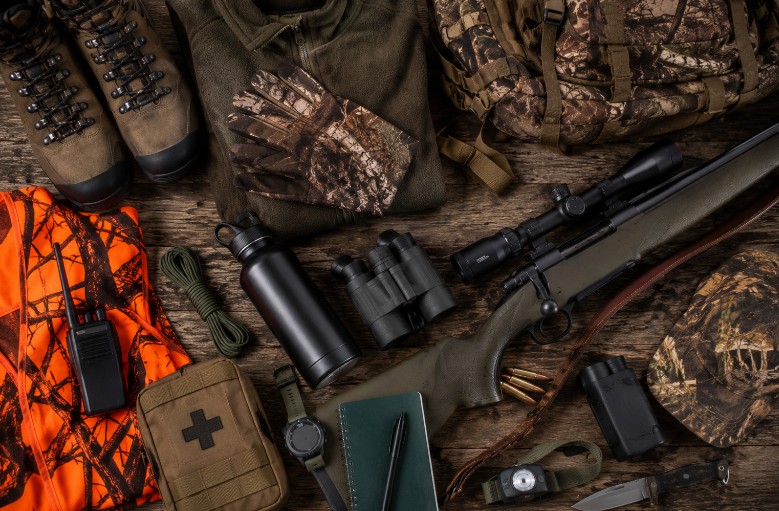
Proper preparation can help make your hunt safer, more comfortable, and more enjoyable. Forgetting a critical piece of equipment can lead to unnecessary frustration once you’re miles from camp or deep in the backcountry.
Creating a complete hunting season equipment checklist allows you to identify missing gear, replace worn items, and ensure everything is functioning properly before heading into the field.
Many hunting problems can be avoided with a little preparation.
Equipment failures, dead batteries, damaged optics, missing licenses, and worn-out boots often become apparent at the worst possible time.
A thorough inspection before season opens helps ensure:
Spending a few hours preparing at home can save valuable hunting time later.
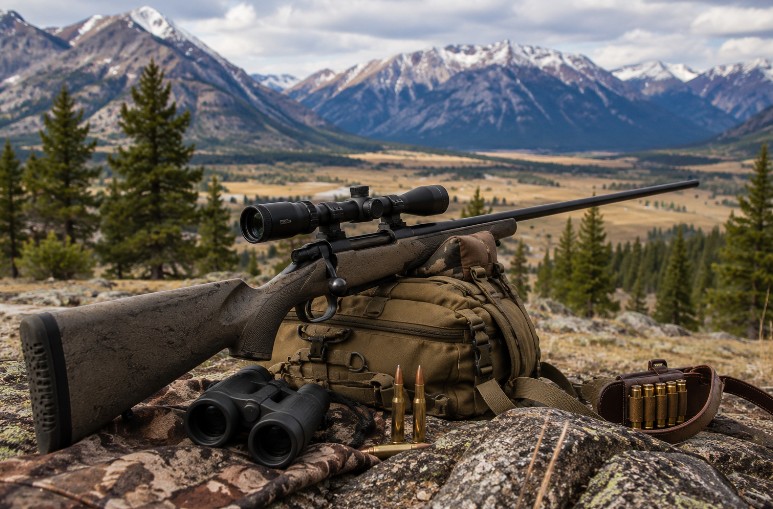
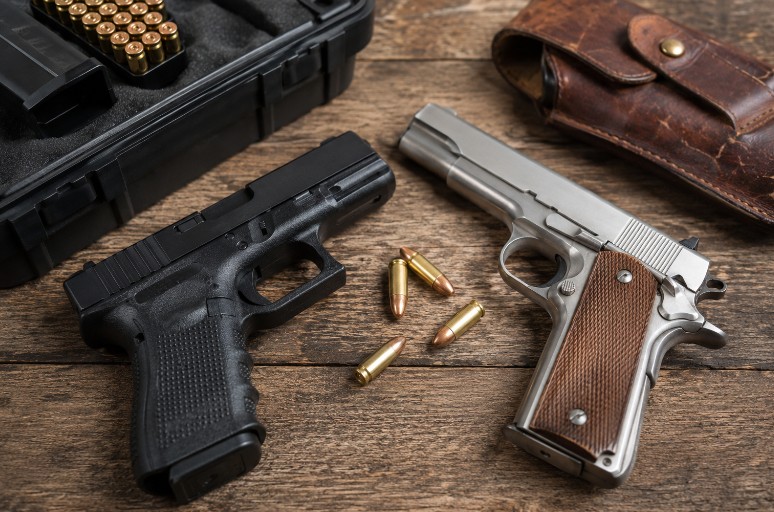
Your firearm should be one of the first items inspected before hunting season begins.
Before heading into the field, verify:
If your firearm has not been used recently, consider having it inspected by a qualified gunsmith.
Ammunition should also be reviewed before the season starts.
Check for:
Many hunters purchase additional ammunition before the season to avoid shortages.
One of the most important pre-season tasks is confirming zero.
Even if your rifle was sighted in last season, transportation, storage conditions, and normal handling can affect accuracy.
Bring the following:
A short range session can provide confidence before opening day.
Weather conditions can vary dramatically throughout hunting season.
Layering remains one of the most effective approaches.
Quality base layers help regulate body temperature and manage moisture.
Popular materials include:
Mid layers provide insulation during cooler temperatures.
Examples include:
Outer layers should offer protection from wind, rain, and snow.
Look for:
Boots receive more abuse than almost any other piece of hunting equipment.
Before the season begins:
Comfortable footwear can significantly improve long days in the field.
Your hunting pack should contain the equipment needed to address common situations.
These items can help keep you prepared throughout the hunt.
Quality optics can help locate game more efficiently and reduce eye strain.
Inspect for:
Hunters covering large areas of open terrain may benefit from carrying a spotting scope.
This is especially useful during western big game hunts where glassing plays a major role.
Even experienced hunters should prepare for unexpected situations.
Technology can be extremely helpful, though traditional navigation tools remain important.
Having multiple navigation options adds an extra layer of security.
Hunters using tree stands should inspect all equipment before the season begins.
Check:
Replace any damaged components immediately.
Safety should always be the highest priority when hunting from elevated positions.
Many successful hunts begin with proper vehicle preparation.
| Item | Verify Before Season |
|---|---|
| Tire Condition | Yes |
| Spare Tire | Yes |
| Jack and Tools | Yes |
| Fuel Levels | Yes |
| Emergency Kit | Yes |
| Tow Strap | Yes |
| Flashlight | Yes |
Hunters traveling long distances or exploring remote areas should take extra precautions.
Before opening day, review the following:
Completing this checklist can help reduce stress and increase confidence before the season begins.
Preparation is one of the most important parts of any successful hunt. Taking the time to inspect equipment, organize gear, confirm rifle accuracy, and prepare for changing conditions can help ensure a safer and more enjoyable experience in the field.
Every hunt presents unique challenges, and having the right equipment readily available allows you to focus on the experience rather than worrying about forgotten gear. A well-prepared hunter is often a more confident hunter, and confidence can make a meaningful difference when the moment of opportunity arrives.